


When should a SaaS startup hire a dedicated UX designer? Usually, when UX work stops being an occasional task and starts needing regular ownership.
Look for that shift before the product reaches a redesign. When should a SaaS startup hire a dedicated UX designer? When the answers above all point to yes, and the cost of unclear ownership is slowing the team.Imagine a small SaaS team that has already launched its MVP. At first, the founder sketches flows, developers choose interface patterns, and a freelance designer helps with a few important screens. That can work while the product is simple.
Then onboarding starts confusing users. Support answers the same questions every week. New features look and behave differently from old ones. Developers rebuild screens because workflow problems appear after coding begins.
That is the point where occasional design help may no longer be enough.
When should a SaaS startup hire a dedicated UX designer? The short answer
A startup is ready for a dedicated UX designer when the roadmap creates continuous UX work, users face repeated friction, and no one currently owns the complete experience.
“Dedicated” does not always mean a permanent employee. It means one person consistently understands the product, follows user feedback, joins product discussions, and stays involved as features move from idea to release.
That person could be a full-time UX designer, fractional UX designer, long-term freelancer, or external UX partner. The right model depends on workload, budget, and how closely the designer needs to work with the team.
UX thinking should begin early. A dedicated hire should begin when the work justifies it.
Clear signs your SaaS needs dedicated UX ownership
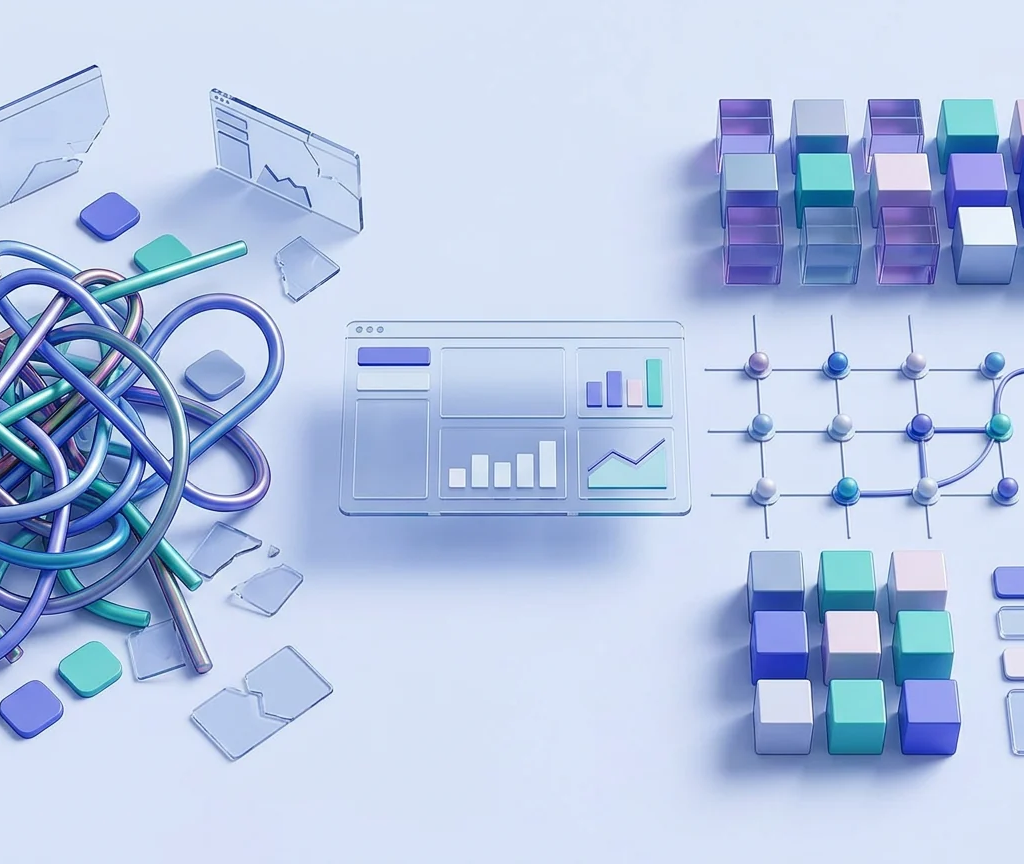
UX work appears in every sprint
If every release needs research, flows, wireframes, interface states, or usability decisions, your UX design workload is no longer occasional. Regular work benefits from someone who remembers previous decisions and keeps the experience connected.
Developers are making most UX decisions
Developers should influence feasibility, but they should not have to invent the complete user journey while coding. When layout, microcopy, navigation, and interaction behavior are decided during implementation, development often slows down.
Users struggle with important tasks
Confusion during onboarding, account setup, billing, navigation, or daily workflows is a strong signal. One isolated complaint may not justify a hire. Repeated problems across users deserve continuous attention.
Support keeps answering the same questions
Support tickets are useful UX evidence. If customers repeatedly ask where a feature is or what a button does, the interface is not explaining itself clearly.
Product consistency is breaking down
Growing SaaS products often collect mismatched forms, buttons, terminology, and interaction patterns. A dedicated designer can connect current features and gradually improve the system rather than redesigning random screens.
Rework is delaying development
Early testing helps teams catch structural problems before development. Nielsen Norman Group’s paper-prototyping guidance explains why gathering usability information before coding makes significant changes easier. If your team repeatedly rebuilds finished work, UX involvement is arriving too late.
User feedback has no owner
Collecting feedback is not enough. Someone must organize it, identify patterns, test possible solutions, and follow what happens after release. If valuable feedback sits in support tools and meeting notes, you may need ongoing UX support.
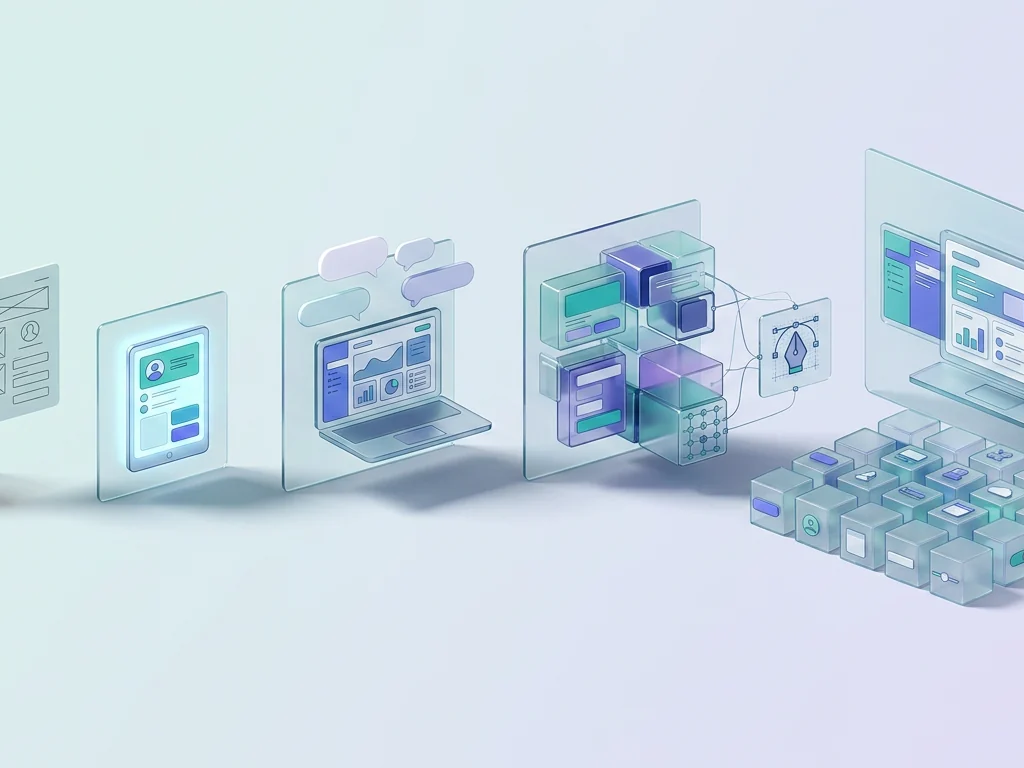
The right UX support at each SaaS stage
| SaaS stage | Practical UX involvement |
|---|---|
| Idea validation | Founder-led research or a short UX consultation |
| MVP planning | Focused project for core flows and prototype |
| Post-launch | Fractional or ongoing support guided by feedback |
| Growth | Dedicated designer for regular product work |
| Mature product | Internal designer or long-term UX partner |
The stage helps, but workload is the stronger signal. Even designer-to-developer ratios vary by product complexity, team maturity, research needs, and workflow, as UXPin’s overview shows.
A simple MVP may need a short SaaS product design engagement. A complex B2B tool with roles, permissions, integrations, and weekly releases may need dedicated ownership much earlier.
When a dedicated hire may be premature
When should a SaaS startup hire a dedicated UX designer instead of waiting? Not before the startup understands the problem it wants to solve.
A dedicated hire may be premature when:
- The user problem has not been validated.
- Product direction changes every few days.
- There is not enough regular design work.
- The team needs only one clear deliverable.
- Designers cannot access users, feedback, or decision-makers.
- Hiring would seriously reduce the startup’s runway.
In these situations, a UX audit, consultation, or focused prototype may be more useful than adding a permanent role.
Why startups usually hire a UX generalist instead of a specialist
A first UX hire in a small company usually works across several areas: research, user flows, wireframes, prototypes, UI, testing, and developer collaboration.
That answers the question, why do startups usually hire a UX generalist instead of a specialist? The team needs broad product support before it has enough workload for narrow roles such as UX researcher, interaction designer, or design-systems specialist.
A versatile startup UX designer can build the foundation. Specialists can join later as the product and design team grow.
Full-time designer or flexible external support?
Choose a full-time designer when design work is steady, daily collaboration matters, and the company has enough budget and long-term workload.
Choose fractional or external support when UX is important but the work changes between sprints. This can suit an MVP, onboarding redesign, UX audit, or a team testing whether dedicated collaboration is the right next step.
If you need a deeper explanation of the role, read Imdshakil’s SaaS product designer guide. Imdshakil also offers SaaS application design through focused projects and ongoing support.
Frequently asked questions
Does a SaaS startup need a UX designer from day one?
It needs UX thinking from day one, but not always a dedicated hire. Founders can begin with user interviews, simple flows, prototypes, and short expert support.
What does a dedicated UX designer mean?
It means a designer consistently owns UX decisions and product context. The person may be internal, fractional, freelance, or external.
When should a SaaS startup hire a dedicated UX designer for the first time?
Hire when UX work is regular, feedback needs an owner, and product friction is slowing users or development. The right UX designer for a SaaS startup should match its current stage and workload.
Should the first UX designer be full-time?
Only when the UX design workload is steady enough. Otherwise, flexible support can provide senior expertise without creating an underused permanent role.
Final decision
When should a SaaS startup hire a dedicated UX designer? Hire when UX work appears regularly, user friction is becoming visible, and one person needs to connect feedback, product decisions, design, and delivery.
Do not hire only because you raised funding or want prettier screens. Look at the roadmap, repeated support questions, development rework, and product complexity.
If your SaaS needs focused UX help or ongoing design ownership, contact Imdshakil to discuss a support model that fits your current stage.

